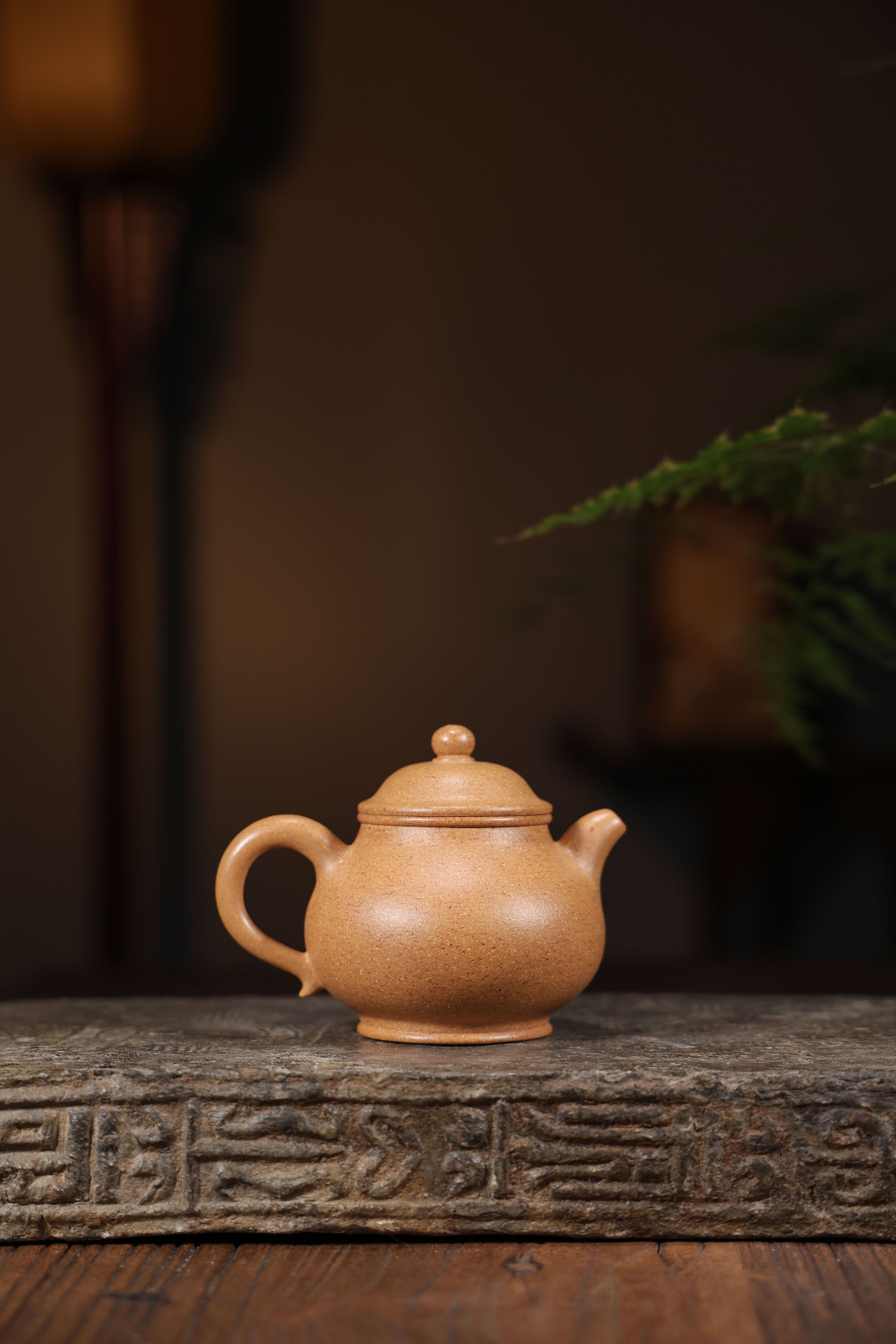
Times in enthusiasts have long favored the unique appeal of Yixing Zisha pots. Rooted in the picturesque town of Yixing, the country, these vessels are made from a rare and collected purple clay acknowledged for its notable thermal traits and capability to boost the taste of potions. Besides their effective importance, Zisha teapots represent a lasting social background, causing them highly admired and a legitimate find for any dedicated teapot devotee.
Examining Yixing Earthenware
Famous teapots illustrate a unusual fusion of history and experienced craftsmanship. Rooted in Yixing, Jiangsu Region of China, their narrative originates in the Ming Dynasty, although documentation suggest earlier manifestations. The exceptional purple clay, called Zisha, found solely in the Yixing region, is the vital component, contributing to the pots' notable heat stability and the manner they control the profile of tea. Generations of potters have improved techniques—often inherited through families—including designing the clay, applying ornate embellishments, and firing the pots at precise temperatures.- Initially, Yixing teapots were often ornamented with simple designs.
- Thereafter, more sophisticated carvings and expressive motifs became common.
- The baking procedure itself is a essential element, requiring extensive periods of competence.
Assembling Zisha Teapots: Key Guidelines
Setting out on a pursuit to assemble Zisha earthenware can be fruitful, but it’s essential to comprehend what to analyze. Authenticity is vital; focus on the soil’s natural tone, a earthy reddish-brown is regular. Examine the surface; genuine Zisha has a particular tactile sensation, often described as slightly textured. The outline should be symmetrical and consistent with historical styles, while impressions, if present, require painstaking examination for authenticity. Don’t hold back to consult with professional consultants or established contacts – their guidance is critical.
The Earthenware: Understanding the History of Yixing Zisha Clay
Epochs have seen Yixing Yixing Clay teapots sustain a exceptional role in Chinese culture. These finely fashioned pots, sourced distinctively from the province of Yixing, are prominent for their distinctive color, consistency, and their ability to refine the scent of extracts. Various collectors strive for antique Yixing teapots, admiring them significantly not only for their aesthetic magnificence, but also for the story they stand for.
Yixing Zisha Teapots: Unique Foremost Forms and Their Properties
Zisha Ware teapots, rooted in the genuine district of Yixing, the realm, are esteemed for their exceptional clay and excellent brewing functions. Amongst the many Zisha types, certain selections that are highly respected include Mingzhong. Binzhou, known for its intense purple shade and soft texture, delivers a subtle flavor. Duan Ni subclass, recognizable by its brownish color and slightly grainy feel, is perceived to enhance the depth. Lastly, Zhuni clay boasts an rare maroon tone and can bestow a mild nuance. Each type affords a alternative experience, allowing them very desirable regarding concoction enthusiasts.
Excelling at A Yixing Jar
To discover the full potential of your Yixing urn, learning the correct approach is necessary. These clay kettles, celebrated for their absorbency, will eventually retain the flavor of the tea you formulate within them. Begin by scrubbing the teapot thoroughly with tepid water. Then, use only top-grade raw leaf tea, as lower quality options can weaken the vessel’s delicate nuance. Always permit the leaves to open completely, and remember that with each preparation, your Yixing kettle will become continuously cherished.
Securing Your Priceless Zisha Treasure
Proper treatment for your Zisha teapot is important to preserving its quality and value. Zisha clay, famed for its unique hue and grain, requires gentle handling. Never use severe substances, as these can injure the film. After every infusion, rinse the pitcher with lukewarm water and allow it to evaporate completely.
- Avoid soaking the pot for extended lengths.
- Regularly use a soft cleanser cloth to wipe the exterior.
- Contemplate applying a thin layer of food-grade ointment inside the kettle after drying, which can curb staining.
Getting Started with Yixing Containers
Yixing pitchers, originating from the Yixing locale in Jiangsu Province, the Chinese territory, are celebrated for their distinctive peculiarities. Produced from the unique purple material known as Zisha, these pitchers are prized by tea enthusiasts worldwide. This overview will succinctly explain the pillars – covering types of Zisha earth, frequent shapes, and critical care helpful hints. Understanding the history of Yixing vessels can broaden your appreciation for this revered example of Han culture.
Art of Zhongguo Containers: Examining Zisha produced in Yixing
Zisha pottery from the Yixing region represents the maximal point of Han kettle design, undergoing a exceptional concoction of genuine beauty and functional artistry. These remarkable pieces are recognized for their deep hues, often extending between intense purples and red hues to muted greys and light beiges. The distinct mineral composition of the native Zisha ground imparts a signature texture and generates a satisfying aroma that elevates the complete brew experience, making them highly wished-for collectibles and integral components of any serious custom.