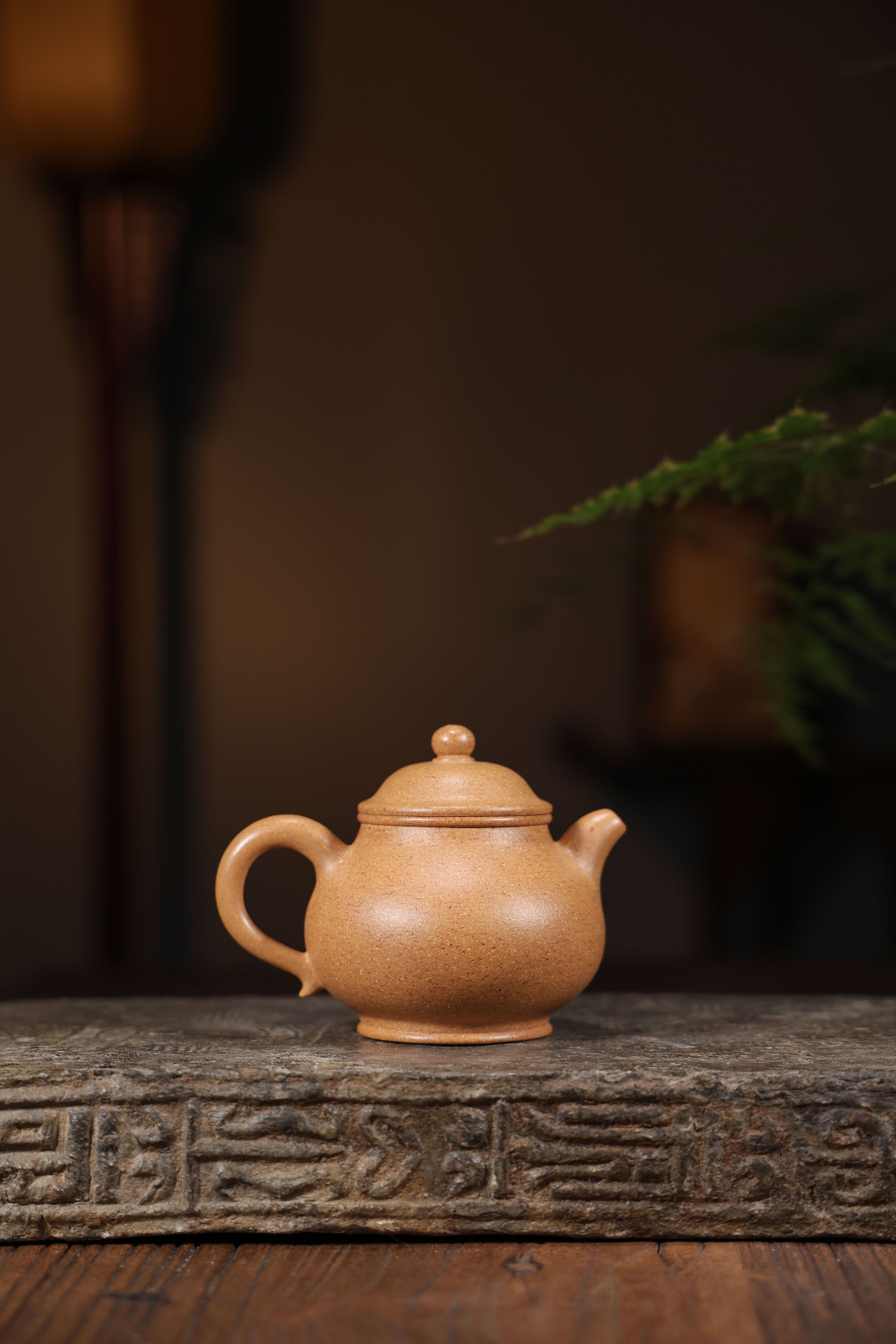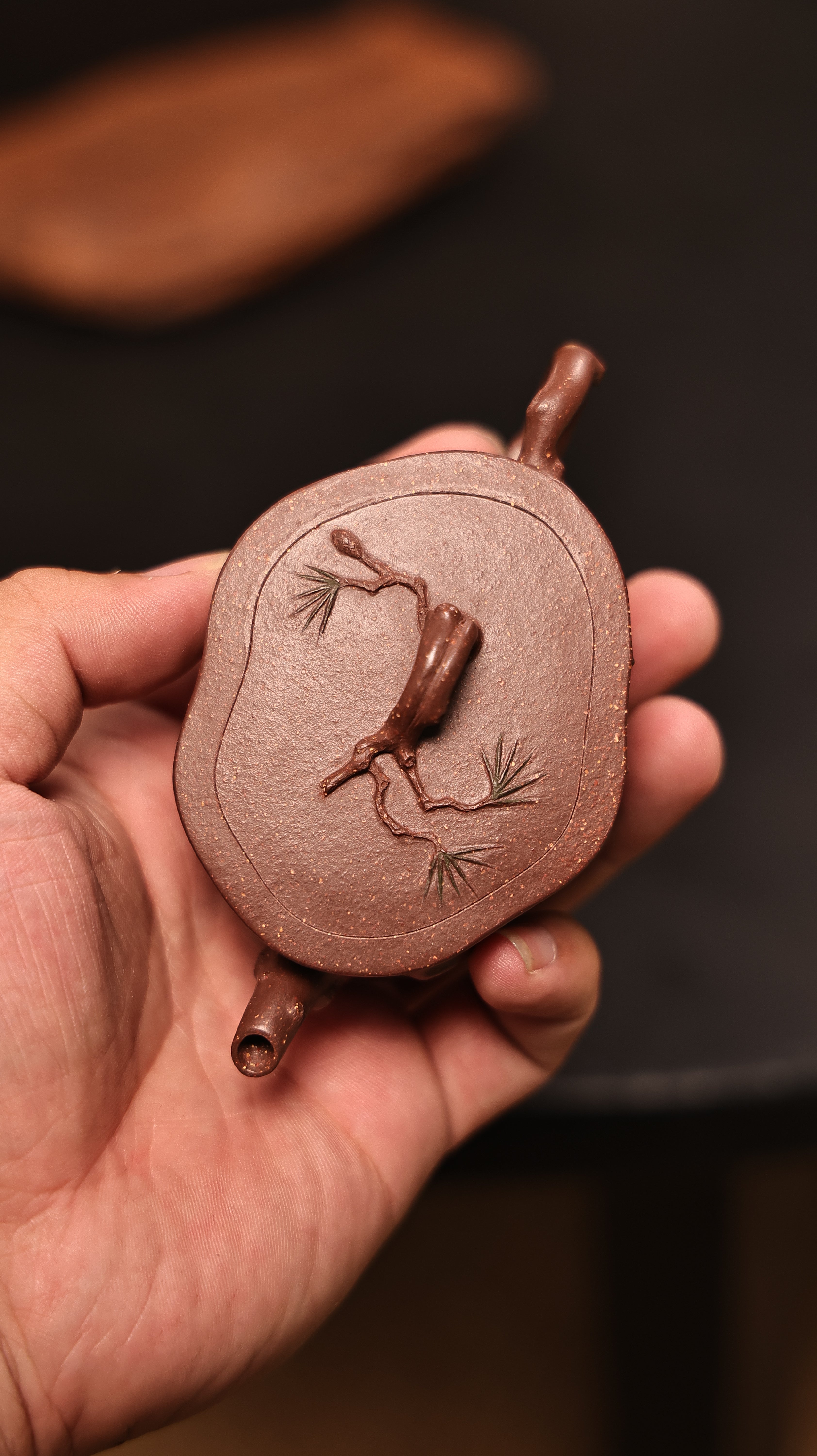
Centuries in enthusiasts have long valued the distinctive enchantment of Yixing Zisha flasks. Founded in the scenic town of Yixing, the land, these earthenware are formed from a uncommon and mined purple clay distinguished for its notable thermal traits and tendency to enhance the note of liquids. More than their practical appeal, Zisha teapots exemplify a deep cultural roots, transforming them immensely treasured and a undisputed find for any dedicated teapot collector.
Investigating Yixing Teapots
Historical teapots showcase a remarkable integration of history and skilled craftsmanship. Developing in Yixing, Jiangsu Zone of China, their narrative traces to the Ming Dynasty, although signs suggest earlier expressions. The distinctive purplish clay, called Zisha, found just in the Yixing region, is the crucial component, contributing to the pots' superior heat conservation and the manner they affect the character of tea. Lineages of potters have polished techniques—often handed over through families—including designing the clay, applying ornate embellishments, and firing the pots at precise temperatures.- Initially, Yixing teapots were often ornamented with simple designs.
- Afterwards, more complex carvings and decorative motifs became trendy.
- The oven firing itself is a crucial element, requiring lengthy phases of skill.
Curating Zisha Teapots: Essential Criteria
Starting a venture to assemble Zisha earthenware can be enjoyable, but it’s imperative to grasp what to inspect. Authenticity is principal; focus on the material’s natural pigment, a delicate reddish-brown is standard. Examine the consistency; genuine Zisha has a distinctive tactile sensation, often explained as slightly rugged. The profile should be balanced and consistent with antique styles, while seals, if present, require careful examination for validity. Don’t hold back to consult with professional consultants or established authorities – their wisdom is immeasurable.
Renowned Teapots: Delving into the Custom of original Pottery
Centuries have seen Yixing Zisha Clay teapots retain a distinguished role in Chinese custom. These beautifully crafted pots, sourced uniquely from the locality of Yixing, are well-known for their peculiar cast, nature, and their ability to heighten the profile of tea. Many collectors seek antique Yixing teapots, valuing them greatly not only for their aesthetic appeal, but also for the past they Purple Clay Teapot symbolize.
Yixing Zisha Teapots: A Finest Types and Their Characteristics
Yixing Zisha teapots, originating from the traditional section of Yixing, the land, are acclaimed for their exclusive clay and remarkable brewing powers. Amongst the various Zisha types, prominent sorts that are highly coveted include Huiwan. Binzhou, known for its rich purple shade and fine texture, delivers a tempered flavor. Duan Ni category, recognizable by its auburn color and a little grainy feel, is said to enhance a richness. Lastly, Zhuni faction boasts an infrequent red tone and can convey a mild nuance. Each kind affords a alternative experience, allowing them very desirable towards brew enthusiasts.
Brewing Perfection Specific Pottery Vessel
To tap into the capability of your Yixing vessel, knowing the correct way is key. These clay pots, celebrated for their openness, will continually develop the nature of the tea you infuse within them. Begin by washing the urn thoroughly with heated water. Then, use only high-quality fresh leaf tea, as lower quality options can harm the pot’s delicate essence. Always allow the leaves to develop completely, and remember that with each brewing, your Yixing pitcher will become increasingly valued.
Maintaining Your Exceptional Zisha Heirloom
Proper support for your Zisha kettle is crucial to maintaining its durability and value. Zisha clay, famed for its unique hue and consistency, requires considerate handling. Never use strong solutions, as these can damage the layer. After every action, rinse the vessel with comfortably warm water and allow it to air out completely.
- Shun soaking the jar for extended times.
- Sometimes use a soft cloth to buff the exterior.
- Evaluate applying a thin layer of food-grade vegetable oil inside the pot after drying, which can limit staining.
Fundamentals of Yixing Kettles
Yixing pitchers, originating from the Yixing area in Jiangsu Province, the Chinese territory, are celebrated for their distinctive peculiarities. Made from the unique purple ground known as Zisha, these earthenware are prized by liquid enthusiasts worldwide. This guide will gently explain the essentials – covering sorts of Zisha matrix, popular shapes, and vital care recommendations. Understanding the foundation of Yixing pitchers can heighten your appreciation for this classic example of Eastern custom.
Expertise of Oriental Kettles: Presenting Zisha from Yixing City
Zisha ware from the Yixing area represents the maximal point of Han container design, undergoing a rare composition of elemental beauty and valuable artistry. These celebrated pieces are honored for their saturated tints, often encompassing profound purples and orange hues to delicate greys and subtle beiges. The defining mineral composition of the exclusive-to-the-area Zisha substrate imparts a distinctive texture and furnishes a enjoyable aroma that increases the entire infusion experience, causing them very sought-after collectibles and integral components of any serious custom.